Temple filler healing stages: your recovery timeline

What's in this article
- Temporal hollows and facial balance
- What to expect: the temple treatment timeline
- Preparation and aftercare advice
- Safety, anatomy, and practitioner expertise
- Booking your consultation
- Who suits temple filler treatment?
- Balancing temples with surrounding facial features
- Helpful questions to ask at your consultation
- Frequently asked questions
Temple filler recovery typically progresses over two to four weeks as the product settles into the tissue. During the first three days, mild swelling, tenderness, redness, and temporary jaw tightness are common, followed by bruising and swelling subsiding over days four to seven. By weeks two to four, the hyaluronic acid fully integrates to reveal a soft, natural contour. Learn more about Temple filler here.
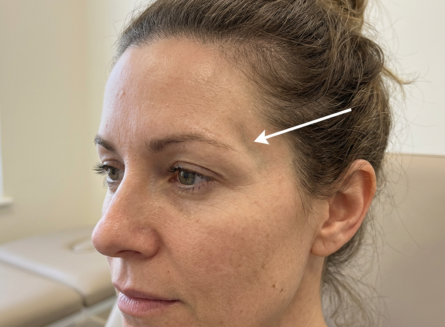
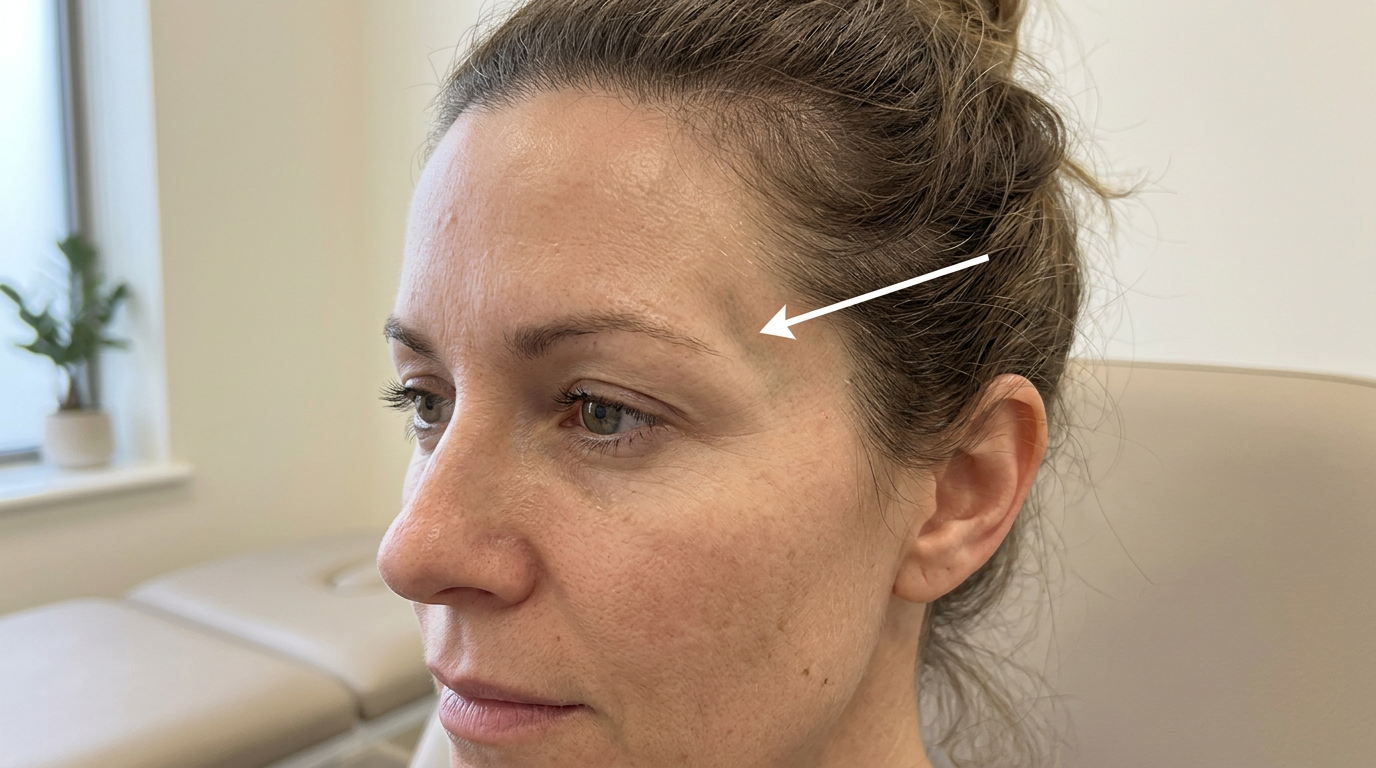
When people consider facial rejuvenation, the temples are rarely the first area that comes to mind. Most patients focus on the lips, cheeks, or under-eye region. Yet, the upper outer frame of the face plays a crucial role in overall harmony. As we age, temporal fat pads naturally deplete, creating a subtly scooped or hollow appearance at the sides of the forehead.
Understanding how healing develops over time is essential for anyone considering treatment. In this guide, we will walk through the recovery timeline, anatomical considerations, and what you can realistically expect during the healing journey.
Temporal hollows and facial balance
The temporal region connects the forehead, brow, and cheek arches. Over time, natural bone shifts, fat loss, and skin changes can create hollow dips at the sides of the face, altering overall upper face balance. Restoring volume in this area with dermal fillers helps soften sharp dips and gently rebalance your features.
If you want to explore visual changes and how treatment balances the upper face, take a look at our dedicated temple filler results guide. In this guide, our focus is on what happens after your appointment, how the area settles day by day, and how to support smooth healing.
What to expect: the temple treatment timeline
Knowing what happens at each stage of the recovery process helps you plan your appointment and care for your skin properly.
Days 1 to 3: the immediate recovery stage
Immediately after treatment, you will notice a restored contour in the temporal region. However, mild localised swelling, tenderness, and slight redness are completely normal. Because the temporal muscle (temporalis) is involved in chewing, some patients report mild discomfort or tightness when opening the jaw wide during the first forty-eight hours.
Days 4 to 7: settling and softening
By the end of the first week, initial swelling subsides significantly. Any minor surface bruising will begin to fade. The filler integrates into the surrounding tissue, and the area begins to feel softer to the touch.
Weeks 2 to 4: the final outcome
Hyaluronic acid is hydrophilic, meaning it attracts water molecules to integrate smoothly within the tissue layers. By week three or four, the filler has settled into place. The contour appears smooth and natural, both in resting expression and when speaking or smiling.
Preparation and aftercare advice
Achieving smooth, reliable outcomes requires proper preparation before your visit and careful aftercare at home. Here are practical steps to support optimal healing:
- Avoid blood-thinning supplements Unless prescribed by your GP, avoid aspirin, ibuprofen, vitamin E, and fish oils for forty-eight hours prior to treatment to minimise bruising.
- Keep the area clean Do not apply heavy makeup or touch the injection sites for at least twelve hours following the procedure.
- Postpone strenuous exercise Avoid high-intensity workouts, saunas, and steam rooms for twenty-four to forty-eight hours to keep swelling to a minimum.
- Sleep slightly elevated Resting on your back with an extra pillow on the first night can help fluids drain naturally away from the upper face.
- Avoid direct pressure Try not to sleep directly on your sides or wear tight-fitting hats and sports helmets for the first few days.
Safety, anatomy, and practitioner expertise
The temple is an advanced aesthetic zone that demands in-depth anatomical knowledge. Critical blood vessels, including branches of the superficial temporal artery, run through this region. Practitioners must understand the precise tissue depths, whether placing product onto the deep periosteum or within safe superficial planes.
According to safety recommendations from the Joint Council for Cosmetic Practitioners (JCCP), injectable treatments should only be carried out following a face-to-face consultation by qualified, insured practitioners capable of managing complications. At Kiss Aesthetics, our clinical team holds advanced qualifications to ensure your treatment is conducted with meticulous technique and the highest clinical standards.
Booking your consultation
If you are considering treatment and visiting us at our Ascot clinic or one of our other locations, we begin with a comprehensive face-to-face consultation. We assess your unique facial anatomy, review your medical history, and explain the recovery process so you feel fully informed before deciding on treatment.
Who suits temple filler treatment?
Temple filler suits anyone noticing a hollowed or pinched appearance around the upper face. When fat deposits naturally thin out in this region, the outer tails of the brows can lose underlying support, and the forehead can appear slightly drawn.
If you are very active, run regularly, or have a naturally lean frame, temporal volume loss often becomes visible earlier in life. Adding soft volume back into the temporal hollows creates a gentle, continuous curve from the forehead down to the cheekbones, restoring a rested and balanced contour.
Balancing temples with surrounding facial features
Facial balance is rarely about treating one isolated area. When we assess temporal hollows, we also look at how they connect with the surrounding structure:
- Cheek filler: Restoring subtle support to the mid-face works alongside temple treatment to soften sharp angles and create a smooth profile.
- Chin filler: Balancing the lower face helps maintain natural proportions from your hairline down to your jawline.
- Skin rejuvenation: Pairing volume restoration with treatments such as Profhilo or microneedling supports skin elasticity, firmness, and natural hydration across the face and neck.
Helpful questions to ask at your consultation
If you are new to dermal filler treatments, having a few focused questions ready can help you feel completely comfortable before starting:
- Which injection technique and depth will you use for my facial structure?
- How much swelling or tenderness should I realistically expect over the first forty-eight hours?
- How will filling the temples complement my cheekbones and brow position?
- What specific aftercare routine should I follow during the first two weeks while the product settles?
Frequently asked questions
Is temple filler painful during injection?
Most patients experience only mild pressure or a dull ache rather than sharp pain. Dermal fillers contain an integrated local anaesthetic, and topical numbing cream can also be applied beforehand to keep you comfortable.
When can I return to work after having temple filler?
Most people return to their usual daily routines immediately or the following day. Any mild tenderness or swelling is easily managed and generally resolves within a few days.
References
This article is for general information only and is not medical advice. Suitability for any treatment is confirmed at a consultation with a qualified practitioner.