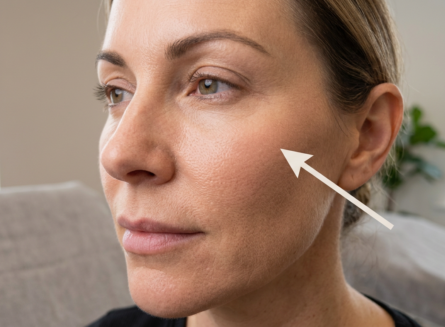
Cheek filler in Essex: your consultation and aftercare guide

What's in this article
- Why we focus on midface structure
- What to expect at your Essex consultation
- Understanding the treatment steps
- Aftercare and recovery timelines
- Choosing the right practitioner
- Who cheek filler suits best
- Combining midface support with other areas
- What to expect in the weeks following your appointment
- Frequently asked questions
A cheek filler consultation involves assessing your natural facial movements and medical history to create a tailored plan for subtle midface volume. Following treatment, you should avoid makeup for 24 hours, skip strenuous workouts and saunas for 48 hours, and delay dental work for two weeks. Most initial swelling subsides within three to five days, with results fully integrating to last between 12 and 18 months. Learn more about Cheek filler here.
Thinking about subtle support for your midface? When people consider cheek enhancement essex practitioners offer, they often want to understand the process before committing. The goal of modern aesthetic treatment is never about creating dramatic, unnatural projections. Instead, it is about restoring gentle structure, balancing facial proportions, and helping you look refreshed.
At Kiss Aesthetics, we believe that open, calm conversations make all the difference. If you are exploring midface treatments, this guide explains how midface volume works, what to expect during your appointment, and how to look after your skin afterwards.
For full details on our standard midface treatments and options, take a look at our dedicated cheek filler treatment overview.
Why we focus on midface structure
Midface treatments help restore gentle support and balance to the cheeks as natural facial volume shifts over time. If you want to explore whether you are an ideal candidate, read our guide to dermal fillers for mid-face volume loss. Here, we focus on what to expect during your appointment and how to care for your results.
What to expect at your Essex consultation
A proper consultation is the foundation of safe, predictable aesthetic work. It is your time to ask questions, discuss your medical history, and express what you hope to achieve. You can read our advice on questions to ask during an aesthetic consultation to help you feel prepared.
During your appointment at our Essex clinic in Brentwood, we will:
- Assess your facial balance: We examine your face both in motion and at rest to see how your expressions work naturally.
- Review your medical background: We check for any contraindications, allergies, or recent dental work that might affect treatment.
- Create a tailored plan: We discuss whether you need subtle lateral projection, anterior midface volume, or a broader plan involving full facial balancing with dermal fillers.
- Explain all risks and aftercare: We make sure you know exactly how to care for the area after your visit.
Understanding the treatment steps
Many first-time patients feel slightly nervous about injections. Knowing what happens step by step helps take the mystery out of the process.
- Skin preparation Your skin is thoroughly cleansed with an antimicrobial solution to maintain a sterile field.
- Comfort measures A topical numbing cream or local anaesthetic integrated within the gel helps ensure the procedure is comfortable.
- Precise placement Using either a fine needle or a blunt-tipped microcannula, small amounts of product are placed precisely at the correct anatomical depth.
- Gentle assessment We pause regularly to assess symmetry and volume, keeping you involved throughout the process.
- Post-treatment review The area is gently cleansed again, and we apply a soothing cream before discussing your aftercare.
Aftercare and recovery timelines
Recovering from a midface filler essex appointment is usually straightforward, but your body still needs a little time to settle. Swelling and minor tenderness are normal physiological responses to injections.
Here are practical guidelines to support your healing:
- The first 24 hours: Keep the area clean, avoid touching your face unnecessarily, and skip makeup to minimise infection risks.
- The first 48 hours: Avoid strenuous workouts, saunas, steam rooms, and direct sun exposure. Sleep on your back with your head slightly elevated if possible.
- Two weeks post-treatment: Avoid dental procedures, deep facial massages, or intense heat treatments while the product integrates with your tissues.
Most initial puffiness subsides within three to five days. By week three, the hyaluronic acid has fully integrated, revealing the soft, natural contour.
Choosing the right practitioner
Your safety depends on the skill, training, and anatomical knowledge of your injector. While hyaluronic acid is naturally broken down by the body, midface injections require high precision to avoid vascular complications and uneven placement.
Always verify that your practitioner works from a clean, professional medical environment, uses genuine products from licensed UK pharmacies, and has a clear protocol for managing complications. At Kiss Aesthetics, our medical team brings Level 7 training and extensive clinical experience to ensure every treatment prioritises safety, comfort, and subtle beauty.
Who cheek filler suits best
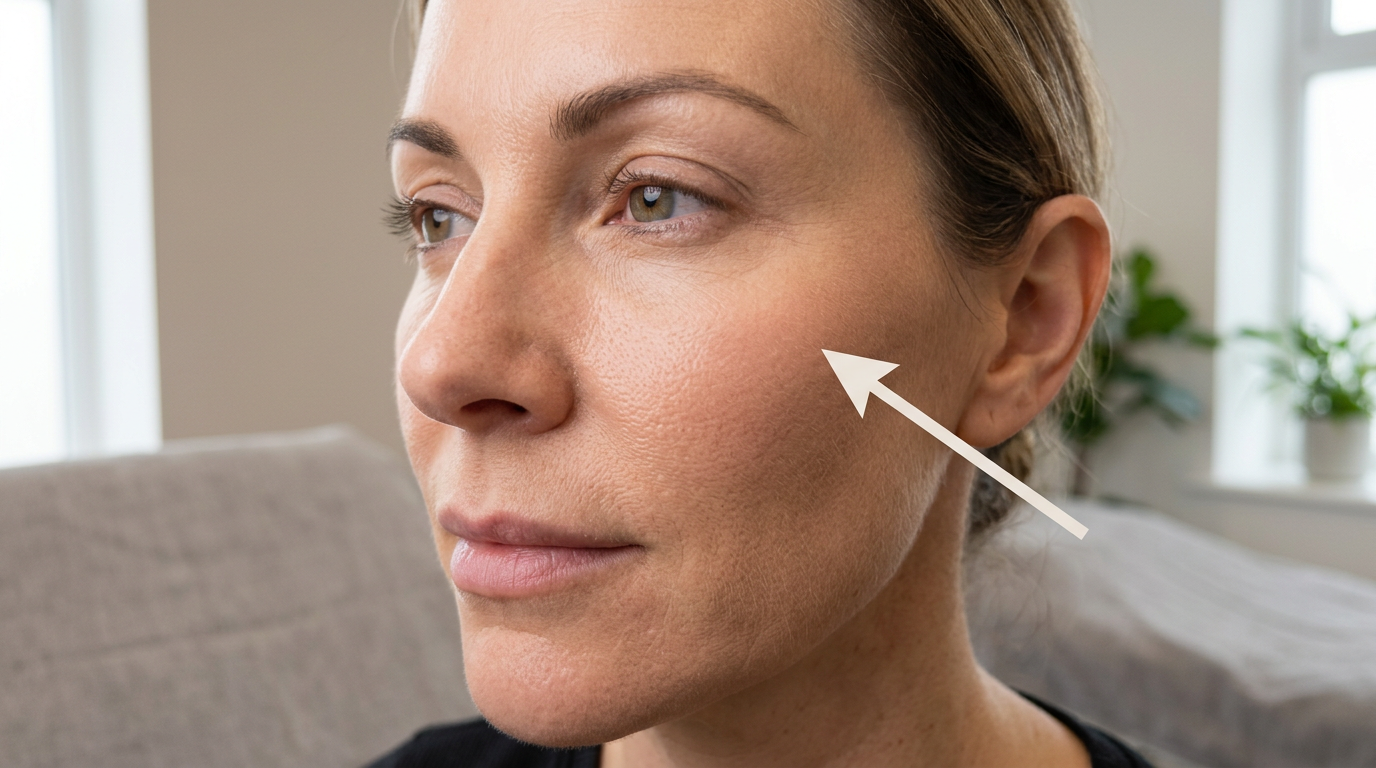
Cheek treatment is particularly helpful if you notice a gradual softening in the centre of your face or feel your lower cheeks appear slightly heavy. As the natural fat pads in the midface shift downwards over time, the support beneath the under-eye area and alongside the nose decreases. Placing small amounts of filler in this area restores that lost scaffolding.
It is also well suited for anyone who naturally has a softer bone structure and wants a little more definition along the cheekbone. Because we focus on balance rather than exaggerated volume, the outcome looks soft, rested, and in proportion with the rest of your features.
Combining midface support with other areas
The midface acts as an anchor for the rest of the face. In many cases, supporting the cheeks also softens the appearance of lines lower down, such as smile lines. Depending on your facial structure, you might also consider combining cheek support with:
- Chin filler: Balancing the upper and lower proportions of your profile creates clean symmetry from every angle.
- Skin treatments: Pairing volume restoration with microneedling or gentle chemical peels helps keep the surface smooth, firm, and clear.
Whether you visit our Essex team or our practitioners in Ascot, we evaluate how each area interacts so your treatment looks cohesive.
What to expect in the weeks following your appointment
You will notice the structural change straight away, but the filler needs about two weeks to integrate fully with your surrounding tissues. During the first 24 to 48 hours, mild swelling, tenderness, or redness is standard.
Results typically last between 12 and 18 months before a routine top-up is needed. Keeping your skin hydrated and protecting your face from unnecessary pressure while it settles ensures the product integrates smoothly and gives you long-lasting midface support.
Frequently asked questions
How long do midface dermal fillers typically last?
Hyaluronic acid fillers placed in the cheek and midface area generally last between 9 and 18 months. Longevity varies depending on your metabolism, lifestyle, and the specific density of the product used.
Does having cheek fillers hurt?
Most patients report only mild discomfort. We use topical numbing options, and modern filler gels contain built-in anaesthetic to ensure the process remains as comfortable as possible.
Can I combine midface treatments with other areas?
Yes, midface support is frequently combined with under-eye treatments or chin and jawline contouring as part of a comprehensive facial balancing plan, which can be discussed during your consultation.
This article is for general information only and is not medical advice. Suitability for any treatment is confirmed at a consultation with a qualified practitioner.