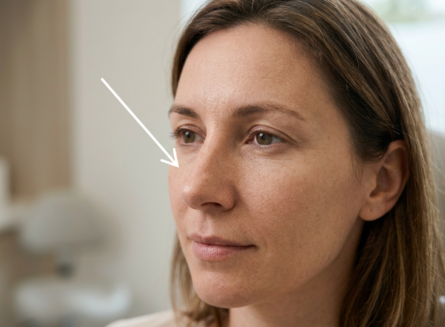
Non-surgical rhinoplasty results and profile balancing in Ascot

What's in this article
- Changes non-surgical rhinoplasty can achieve for nose shape
- The role of profile balancing with dermal fillers in Ascot
- Understanding non-surgical rhinoplasty results and profile balancing
- What happens during your appointment and aftercare
- Clinical safety and potential risks
- Planning your treatment consultation in Ascot
- Frequently asked questions
Non-surgical rhinoplasty uses targeted dermal fillers to smooth dorsal humps, lift nasal tips, and correct asymmetry, while profile balancing incorporates chin or cheek enhancements to harmonise overall facial proportions. Results appear immediately and settle within two weeks, with nose filler typically lasting 6 to 18 months and chin or cheek treatments lasting 12 to 18 months. Minor swelling or bruising usually subsides within 48 hours, though individual longevity varies. Ready to learn more? Book a consultation here.
Understanding non-surgical rhinoplasty results and profile balancing helps you see how small, strategic adjustments can refine your facial proportions without surgery. At our Ascot clinic, we focus on enhancing facial harmony by treating individual features in relation to the whole face.
Nose reshaping with injectables is an effective way to address cosmetic irregularities along the nasal bridge and tip. When combined with wider profile assessments, it creates a balanced appearance from both the front and side angles.
Changes non-surgical rhinoplasty can achieve for nose shape
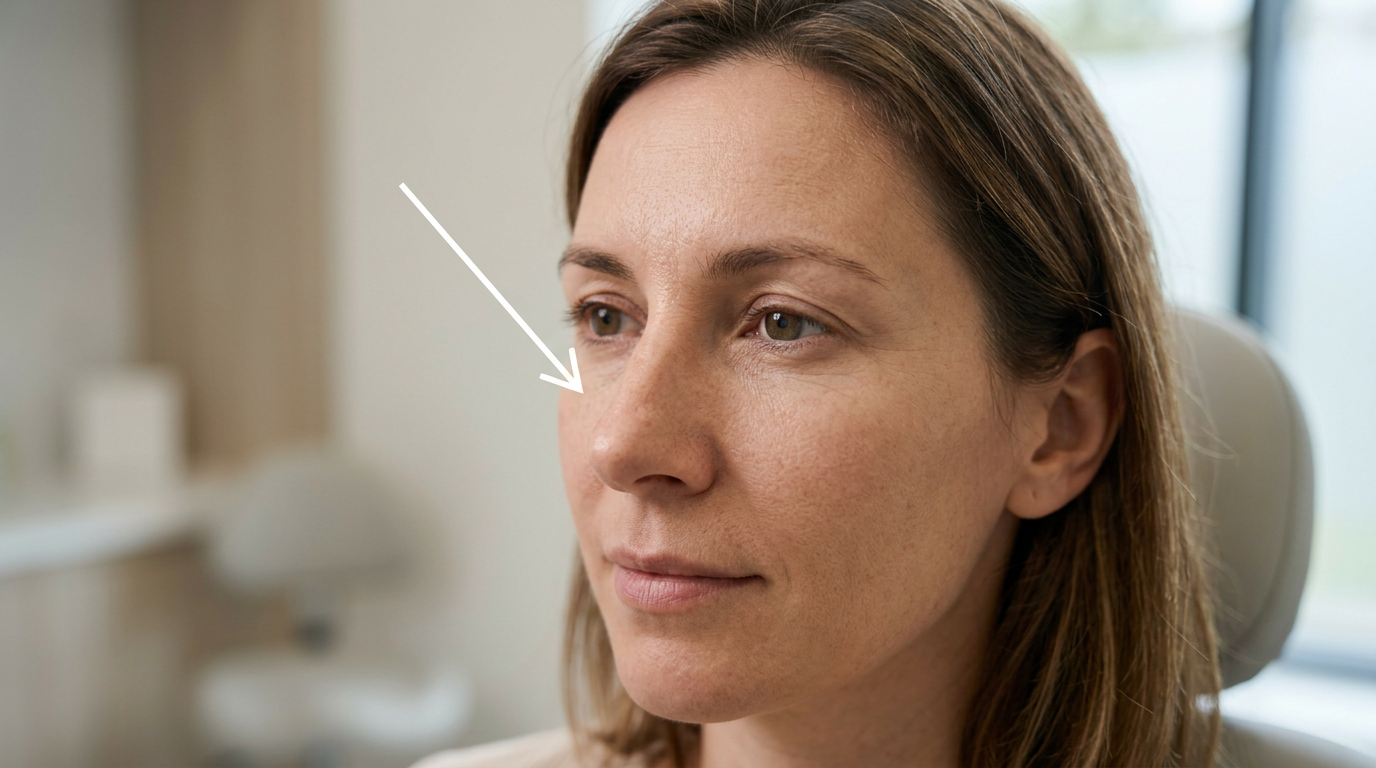
Non-surgical rhinoplasty is a precise injectable procedure using small amounts of dermal fillers to reshape and balance the nose. It does not reduce the physical size of the nasal structure, but it alters how light reflects off the contours to create the visual effect of a straighter, balanced nose.
During treatment, small deposits of hyaluronic acid gel are placed beneath the skin to adjust specific contours. This technique allows us to achieve several structural refinements:
- Smoothing dorsal humps: Placing filler above and below a bump on the bridge creates the appearance of a straight nasal line.
- Lifting a drooping nasal tip: Targeted injections support the base of the nose to gently elevate the tip angle.
- Straightening asymmetry: Filler can correct minor deviations, depressions, or hollows along the nasal bridge.
- Refining bridge definition: Adding subtle height to flatter nasal bridges improves definition from front and profile views.
For patients who only require elevation at the tip, a targeted pixie nose tip lift filler can support and raise a drooping nasal angle without adding volume across the bridge.
The role of profile balancing with dermal fillers in Ascot
When assessing your nose, looking at surrounding facial features provides the best aesthetic outcome. The nose sits at the centre of the face, but its perceived size and projection depend on the position of your chin, lips, and cheeks.
Patients seeking facial balancing with dermal fillers often find that balancing the lower face changes how the nose appears. For example, a recessed or smaller chin can make a nose look more prominent from the side. Placing chin filler strengthens a softer profile, elongates the lower face, and immediately brings the nose into better proportion.
Similarly, adding subtle volume with cheek filler restores mid-face support and softens lower facial heaviness. When paired with delicate lip filler to define the border, the entire profile gains natural symmetry and structural support.
If you are exploring options for getting dermal fillers in Ascot, a combined assessment helps identify which areas will give you the most harmonious result.
Understanding non-surgical rhinoplasty results and profile balancing
Achieving natural-looking results requires careful planning and a conservative injection technique. Dermal fillers provide immediate structural changes, but the treated area needs time to settle as minor swelling subsides.
Results are visible straight away following your appointment, with the final outcome settling in around two weeks. The longevity of non-surgical rhinoplasty typically ranges between 6 and 18 months, though individual results vary.
Profile balancing treatments involving the chin or cheeks generally last 12 to 18 months. Maintenance sessions can be scheduled as needed to preserve your desired contours.
| Treatment Focus | Typical Longevity | Primary Aesthetic Benefit | Common Settling Time |
|---|---|---|---|
| Non-surgical rhinoplasty | 6 to 18 months | Smooths humps, lifts nasal tip, corrects asymmetry | Settles in 2 weeks |
| Pixie nose tip lift | 9 to 12 months | Elevates and supports drooping nasal tip | Immediate (settles in 2 weeks) |
| Chin filler | 12 to 18 months | Strengthens lower profile and balances nose projection | Settles in 2 weeks |
| Cheek filler | 12 to 18 months | Restores mid-face volume and structural balance | Settles in 2 weeks |
| Full facial balancing | 12 to 18 months | Harmonises front and side facial proportions | Settles in 2 weeks |
What happens during your appointment and aftercare
Your appointment begins with an in-depth facial analysis where we discuss your aesthetic goals and examine your profile from multiple angles. We map out the placement points to ensure the final result aligns with your natural anatomy.
The injection process itself is relatively quick and involves minimal discomfort. We use fine needles or micro-cannulas to place small, controlled amounts of filler precisely where support is needed.
Following your appointment, downtime is minimal. Swelling, redness, bruising, or tenderness around the injection sites typically settle within 24 to 48 hours. Your practitioner will advise you on specific post-treatment care and when to resume everyday activities.
Clinical safety and potential risks
The nose contains a complex network of blood vessels, making non-surgical rhinoplasty an advanced injectable treatment. Ensuring patient safety requires a practitioner with thorough anatomical knowledge and certified training.
Common side effects include temporary swelling, redness, bruising, and mild tenderness, which typically settle within 24 to 48 hours. As with all dermal filler procedures, delayed lumps or nodules can occasionally occur and should be assessed by your practitioner. Rarer, more serious complications include vascular compromise, which requires prompt clinical attention. If you ever experience unusual skin discolouration, severe pain, or changes in vision, contact the clinic immediately or seek urgent medical care.
We prioritise patient safety and open guidance at every stage. We take time to evaluate your medical history and will only proceed if the treatment is clinically suitable for you.
Planning your treatment consultation in Ascot
If you want to explore your profile options, booking a consultation is the first step. Our clinic provides treatments for patients across Ascot, Windsor, Bracknell, Sunningdale, and surrounding Berkshire communities.
During your face-to-face consultation, we will assess your facial structure, answer your questions, and design a treatment plan tailored specifically to your features. We believe in honest advice and subtle enhancements that leave you looking rested and well-balanced.
Frequently asked questions
Can non-surgical rhinoplasty make my nose smaller?
Dermal filler cannot remove tissue or reduce the physical size of the nose. However, by smoothing dorsal humps and lifting the tip, it straightens the bridge and reflects light more evenly, which often makes the nose appear smaller and neater.
How long do non-surgical rhinoplasty results last?
Results typically last between 6 and 18 months, though individual results vary. Top-up treatments can be scheduled as needed over time.
Does non-surgical rhinoplasty hurt?
Most patients report only mild discomfort during the procedure. We use delicate injection techniques and products formulated with local anaesthetic to keep the experience comfortable.
How does chin filler help with nose profile balancing?
A recessed or softer chin can make the nose appear more prominent in profile. Adding dermal filler to project or balance the chin creates better proportion between the upper, mid, and lower thirds of the face.
This article is for general information only and is not medical advice. Suitability for any treatment is confirmed at a consultation with a qualified practitioner.